
General Dentistry and Hygiene in Richmond, TX

Dental hygiene services are the foundation of long-term oral health.

General Dentistry and Hygiene Explained

Dental hygiene services are the foundation of long-term oral health. At Cozy Cove Dental, professional cleanings, exams, and preventive care are designed to remove plaque and tartar that home brushing cannot reach, identify potential problems before they become serious, and maintain the health of your teeth and gums for life. Most patients benefit from professional cleanings every six months, though some may need more frequent visits based on individual risk factors.

A typical hygiene appointment includes a thorough cleaning to remove plaque and hardened tartar from above and below the gumline, polishing to remove surface stains, and fluoride application to strengthen enamel. Your hygienist will also measure your gum pockets to assess gum health, check for signs of decay or other issues, and provide guidance on home care techniques. The dentist then performs a comprehensive exam to evaluate your overall oral health, including screening for oral cancer, evaluating existing restorations, and recommending any needed treatment.

Beyond cleaning, hygiene visits are critical for early detection. Many dental problems including cavities, gum disease, oral cancer, and bite issues develop gradually and are best treated early. Skipping cleanings often allows small problems to grow into larger, more expensive ones. Patients who maintain consistent hygiene visits typically experience fewer dental emergencies, lower lifetime dental costs, and better overall oral health than those who only visit when problems arise.

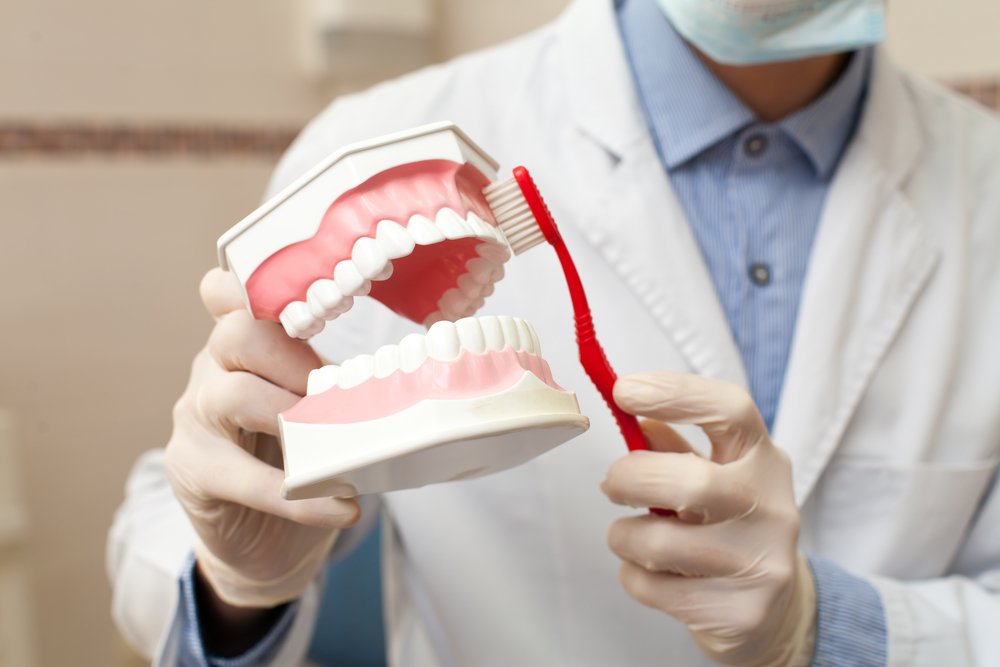
General Dentistry and Hygiene — what to know
General Dentistry and Hygiene — our approach

Our Approach

We believe hygiene visits are too important to be rushed or routine. At Cozy Cove Dental, every cleaning is thorough, gentle, and tailored to your individual needs. Our hygienists take time to discuss your home care, identify areas that may need attention, and provide personalized recommendations based on your specific situation.

We use modern instruments and techniques to make cleanings as comfortable as possible, including ultrasonic scalers that remove tartar more efficiently than traditional hand instruments. For patients with sensitive teeth, we offer numbing options and adjusted techniques. We also stay alert for early signs of issues like decay, gum disease, oral cancer, and bite problems, because catching them early means simpler, less expensive treatment.

How Treatment Works

01

Assess

Your hygienist reviews your medical and dental history, takes any needed X-rays, and evaluates your gums and teeth.

02

Clean

Plaque and tartar are removed from above and below the gumline using ultrasonic and hand instruments, followed by polishing.

03

Protect

Fluoride application strengthens enamel, and recommendations or treatments are provided for any specific concerns.

04

Educate

Your hygienist provides personalized home care guidance and the dentist performs a comprehensive exam.

General Dentistry and Hygiene FAQs

We believe informed patients make confident decisions. Below are some of the most common questions we receive about our practice and comprehensive care.

How often should I get a professional dental cleaning?
Most patients do well with a professional cleaning and exam every six months. That interval works for people with healthy gums and no significant history of decay. Some patients need to come in more often, typically every three or four months, including those with a history of gum disease, heavy tartar buildup, dry mouth, diabetes, or those who smoke. Patients in orthodontic treatment and those who are pregnant also benefit from more frequent visits. Your hygienist and dentist will recommend an interval based on your gum measurements, your buildup rate, and your overall health rather than applying the same schedule to everyone.
How much does a dental cleaning cost?
The cost of a cleaning depends on several factors, so there is no single number that applies to every patient. The largest factor is what type of cleaning you actually need. A routine cleaning for healthy gums is a different procedure than a deep cleaning for active gum disease, which often requires more time and more than one visit. Cost is also affected by whether the appointment includes an exam, X-rays, or fluoride, how much buildup has accumulated since your last visit, and how your dental plan is structured. Most dental plans treat preventive cleanings as a covered benefit, though the level of coverage varies from plan to plan. The most reliable way to get a number is to schedule a visit with Cozy Cove Dental, so we can evaluate your specific situation and walk you through your treatment plan and insurance coverage before anything begins.
What's the difference between a regular cleaning and a deep cleaning?
A regular cleaning, sometimes called a prophylaxis, is a preventive procedure for patients whose gums are healthy or only mildly inflamed. It removes plaque and tartar from the tooth surfaces and just below the gumline, followed by polishing and usually fluoride. A deep cleaning, known clinically as scaling and root planing, is a treatment rather than a preventive visit. It is recommended when gum disease has created deeper pockets between the gums and teeth, and it involves cleaning the root surfaces well below the gumline to remove bacteria and hardened deposits the toothbrush and a routine cleaning cannot reach. Deep cleanings are often completed in sections over more than one appointment, and the area is usually numbed for comfort. The decision is based on your pocket measurements, the condition of your gums, and any bone loss visible on your X-rays, not on preference.
Are dental cleanings painful?
For most patients, a cleaning is not painful. You may feel pressure, vibration, cold water, or brief sensitivity, especially along the gumline or on areas of exposed root surface. Discomfort is more likely if your gums are inflamed, if you have significant tartar buildup, or if it has been a long time since your last visit, because inflamed tissue is tender and bleeds more easily. The good news is that this improves as your gums get healthier. Tell your hygienist right away if anything feels uncomfortable. There are several ways to make the visit easier, including topical numbing gel, local anesthetic for deeper cleanings, working in smaller sections, and desensitizing treatments for patients with sensitive teeth.
Can I skip cleanings if I brush and floss well at home?
Excellent home care makes a real difference, but it cannot replace a professional cleaning. Once plaque hardens into tartar, it bonds to the tooth surface and cannot be removed by brushing or flossing. Only professional instruments can take it off. Tartar also builds up in places that are difficult to reach on your own, particularly below the gumline and between the back teeth. Just as importantly, a hygiene visit is not only a cleaning. It includes gum measurements, decay screening, an oral cancer screening, and an evaluation of existing fillings and crowns. Many of the conditions found at these visits, including early cavities and early gum disease, cause no pain and produce no symptoms you would notice at home.
What is gum disease and how do I know if I have it?
Gum disease is a bacterial infection of the tissues that support your teeth. The early stage, gingivitis, involves inflammation of the gums and is usually reversible with professional cleaning and improved home care. If it progresses to periodontitis, the infection begins to break down the attachment and bone that hold your teeth in place, and that damage is not reversible, although it can be managed and stabilized. Warning signs include gums that bleed when you brush or floss, redness or puffiness, persistent bad breath or a bad taste, gums that are pulling away from the teeth, increased sensitivity, teeth that feel loose, or a change in how your teeth fit together. The difficult part is that gum disease is often painless in its early stages, which is why measured examination at regular hygiene visits is the most dependable way to catch it.
Why does my hygienist measure my gums?
Those numbers your hygienist calls out are pocket depth readings, taken with a small calibrated probe at several points around each tooth. The measurement records how deeply the gum tissue attaches to the tooth. Readings of roughly one to three millimeters with no bleeding generally indicate healthy gums. Deeper readings mean the attachment has been lost and bacteria now have a space to collect that you cannot clean at home. The hygienist also notes bleeding points, gum recession, and tooth mobility. Recording these values at every visit creates a history, so subtle changes over time become visible long before you would feel a symptom. It is one of the most useful diagnostic tools in dentistry, and it is the basis for deciding whether you need a routine cleaning or periodontal treatment.
Can dental cleanings whiten my teeth?
A cleaning can make your teeth look noticeably brighter, but it is not the same thing as whitening. Polishing removes surface stains from coffee, tea, red wine, and tobacco, along with the plaque and tartar film that dulls enamel, so many patients feel their smile looks fresher and cleaner afterward. What a cleaning cannot do is change the natural color of the tooth itself. If your teeth are darker from within, whether from aging, thinning enamel, past trauma, or certain medications, professional whitening is the treatment that addresses that. A cleaning is still a good first step before any whitening treatment, because whitening works more evenly on a clean tooth surface.
What is fluoride and why is it applied during cleanings?
Fluoride is a naturally occurring mineral that strengthens tooth enamel and helps it resist the acid produced by bacteria in plaque. Your enamel constantly loses and regains minerals throughout the day. Fluoride tips that balance toward rebuilding, and it can halt or even reverse very early decay before it becomes a cavity that needs a filling. The fluoride applied at a dental visit, usually as a varnish, foam, or gel, is more concentrated than what is in over the counter toothpaste, so it delivers a stronger benefit in a single application. It also helps reduce sensitivity, which is why it often feels good after a cleaning. It is particularly valuable for patients with a history of cavities, exposed root surfaces, dry mouth, orthodontic appliances, or frequent snacking and sipping habits.

Let's get you Smiling.

Schedule your visit and see why so many neighbors trust our team. We can't wait to meet you.